School meals in Makeni
A digitized, PPP-led framework for climate-resilient food systems

Summary
This project proposal outlines an optimized solution that aims to address the key challenges in school feeding and move from fragmented, donor-dependent nutrition projects to an institutionalized "continuum of services."
This will be achieved through an institutionally sustainable model of evidence-based management, PPP-driven supply chains, and a digital trust architecture. Our model is a "global health security" measure designed for a high-risk climate that is transforming into "systemic self-reliance."
Our approach leverages industry expertise and innovative strategies, aligns with the 2026 global development goals—sustainability, digitalization, local ownership, and data-driven insights—to create a tailored plan that delivers measurable results.
Problem
Food insecurity, high levels of chronic malnutrition, 30% of children suffer from growth disorders, with an increased dropout rate among girls.
Solution approach
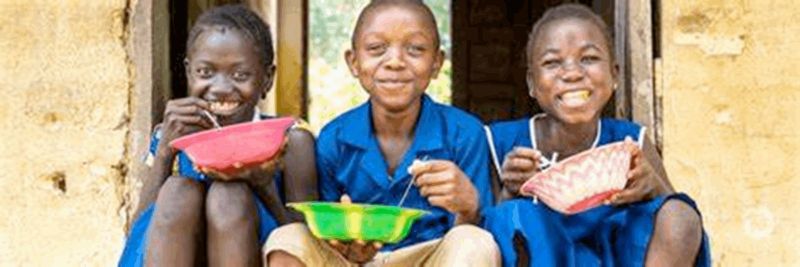
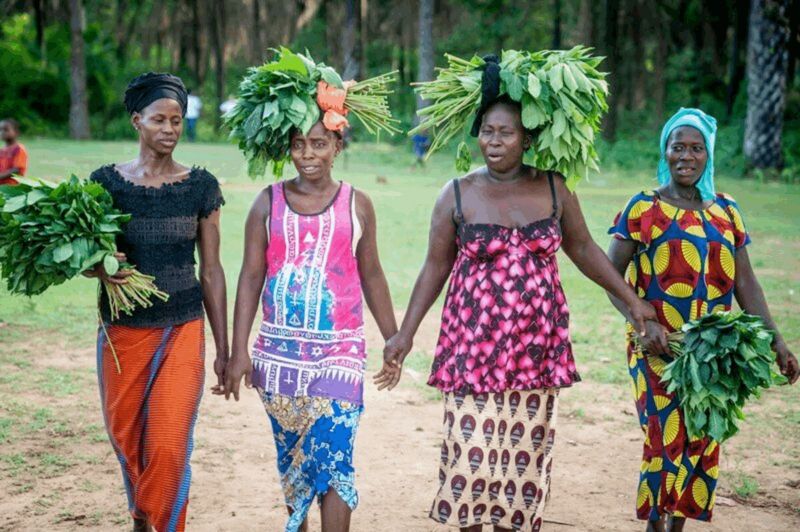
A gender-transformative, climate-friendly diet for 5,000 students at 15 schools to achieve a 15% increase in regular attendance, a 10% reduction in dropout rates, and a 70% procurement rate for women-led cooperatives.
Our solution is designed to reduce costs, increase efficiency, drive innovation, and improve overall performance through best practices and modern technology.
Our approach offers scalable, adaptable solutions for school meals that meet nutritional needs and ensure long-term sustainability.
Added value for supporters
"School meals are preventive medicine; they are the vaccine for our human capital index."
We use a zero-leakage architecture to minimize financial losses and administrative inefficiencies and secure donors' ROI through the "human capital" perspective with a Human Capital Index (HCI) that reduces cognitive developmental disorders through enriched, locally sourced nutrition.
This project bridges the gap between "nutrition" and "learning" and captures more than just "meals served": it captures economic immunity: LAYS (Learning-Adjusted Years of Schooling) by measuring the reduction in absenteeism.
We secure donors' return on investment (ROI) through the "human capital" perspective with a Human Capital Index (HCI) that reduces cognitive developmental disorders through enriched, locally sourced nutrition.
WHO can support HOW?
We are seeking support and partners for a "watering system" (long-term) rather than a "one-time rain shower" (short-term aid) to provide 5,000 students at 15 schools with nutritious meals via a digitalized social safety net and climate-resilient infrastructure.